
Conditions We Treat

OCD Therapy — Relief From Intrusive Thoughts and Compulsions

OCD pairs unwanted, intrusive thoughts with compulsions — checking, reassurance-seeking, or mental rituals done to quiet the anxiety those thoughts create. It is common and very treatable. At Connections Counseling in Orem, Murray, and online across Utah, therapists use ERP and CBT. Free 30-minute consultations.

Hands writing in a journal beside a cup of tea at a sunny window

What is OCD?

Obsessive-Compulsive Disorder (OCD) has two parts. Obsessions are unwanted thoughts, images, or urges that show up uninvited and cause real distress. Compulsions are the things you do — out loud or in your head — to make that distress go away: checking, washing, counting, repeating, asking for reassurance, or mentally reviewing until something feels "just right."

The relief compulsions bring is real but short-lived, and it teaches your brain that the thought was dangerous. So the thoughts return, stronger, and the cycle tightens. Many people with OCD know their fears don't fully make sense, which can make it feel isolating and embarrassing. It isn't a character flaw, and it isn't the same as liking things neat. It is a recognized, treatable condition.

What can OCD look like?

OCD takes many forms, and some are much less visible than the stereotype:

  • Fear of germs or contamination, with washing or cleaning that is hard to stop
  • Checking locks, appliances, or messages again and again
  • Unwanted violent, sexual, or blasphemous thoughts that feel horrifying precisely because they go against who you are
  • Constant doubt about a relationship — whether you love your partner enough, or whether they are "the one"
  • Religious or moral scrupulosity: fear of having sinned, compulsive confessing or praying
  • Needing things to feel symmetrical, even, or "just right"
  • Mental rituals — replaying, reviewing, or arguing with a thought — that no one else can see

If religious fear and guilt are at the center of it, our page on religious shame and scrupulosity goes deeper on that ground.

How we treat OCD

The most researched treatment for OCD is Exposure and Response Prevention (ERP), a specialized form of Cognitive Behavioral Therapy. With your therapist, you gradually and deliberately face the thoughts and situations that trigger your fear, while practicing not doing the compulsion. Over time your brain learns that the anxiety rises and then falls on its own — and the thoughts lose their grip.

ERP is collaborative. You build the plan together, start with small steps, and nothing is forced on you. Our therapists often pair it with Acceptance and Commitment Therapy (ACT), which helps you make room for uncomfortable thoughts without obeying them, and — when family members have been drawn into reassurance or rituals — with support for the people around you. Faith-sensitive clinicians are available when scrupulosity is part of the picture.

What to expect

Start with a free 30-minute consultation to be matched with a clinician who treats OCD. Early sessions map your specific obsessions and compulsions and explain how treatment works; from there you move at a pace that is challenging but manageable. Care is available in person in Orem and Murray, or online anywhere in Utah.

Signs you might recognize

  • Unwanted, intrusive thoughts or images that cause intense distress
  • Urges to check, clean, count, or repeat until it feels right
  • Seeking reassurance from others again and again
  • Mental reviewing or replaying that is hard to stop
  • Avoiding places, people, or objects that trigger the thoughts
  • Losing significant time each day to thoughts or rituals

How we help

  • Exposure and Response Prevention (ERP)
  • Cognitive Behavioral Therapy (CBT)
  • Acceptance and Commitment Therapy (ACT)
  • Faith-sensitive care for scrupulosity
  • Family support to reduce reassurance and accommodation

Find the therapist who's right for you

Take our quick, private assessment — answer a few simple questions and we'll match you with the Connections therapist best suited to what you're going through. About two minutes, and your answers never leave your device.

Prefer to talk it through first?

Specialists in this area

Therapists who can help

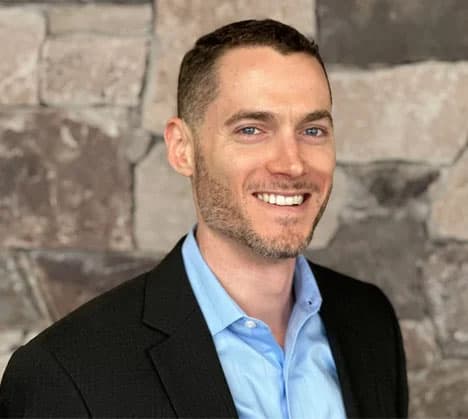
Portrait of Chris Pierce, CMHC, NCC at Connections Counseling

Chris Pierce

CMHC, NCC

Therapist, Trauma and Mood Disorders, Behavioral Sleep Medicine · Orem

OCD or ScrupulosityTrauma & PTSDDepression & Low Mood
Accepting new clientsBook with ChrisView Full Bio
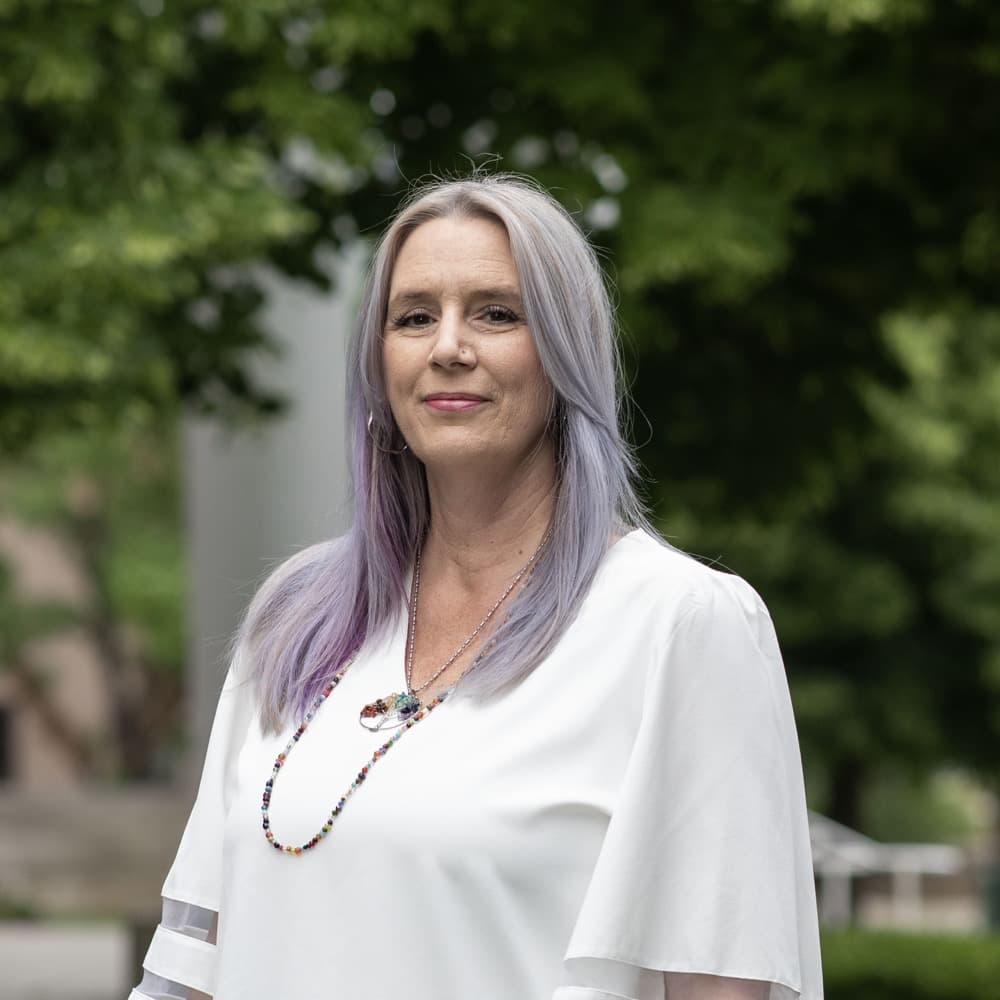
Portrait of Katherine Garcia, CMHC, NCC, BSP at Connections Counseling

Katherine Garcia

CMHC, NCC, BSP

Therapist (Online), Brainspotting Certified · Online

OCD or ScrupulosityAnxiety & StressTrauma & PTSD
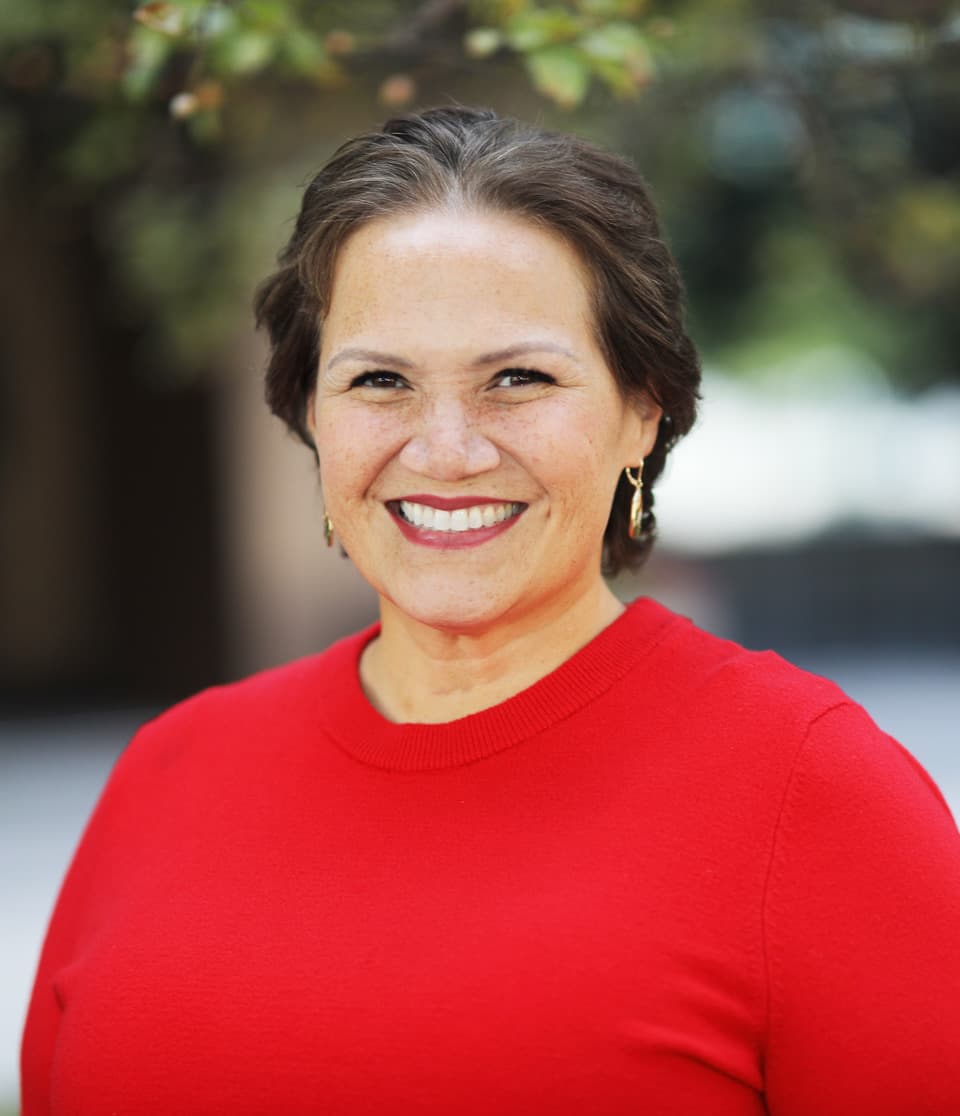
Portrait of Drew Vernick, LCSW at Connections Counseling

Drew Vernick

LCSW

Therapist & Clinical Supervisor · Murray

OCD or ScrupulosityAnxiety & StressDepression & Low Mood
Accepting new clientsBook with DrewView Full Bio
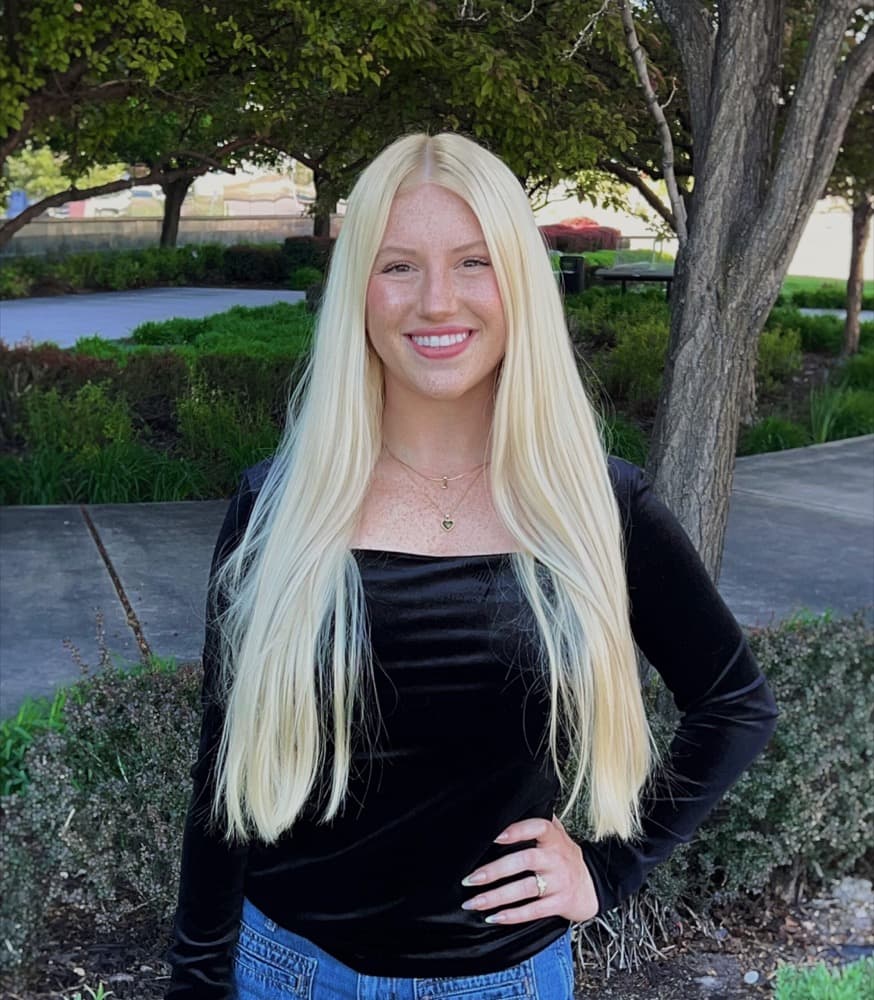
Portrait of Jenn Young, LCSW at Connections Counseling

Jenn Young

LCSW

Therapist · Murray

OCD or ScrupulosityTrauma & PTSDRelationship Anxiety
Accepting new clientsBook with JennView Full Bio
Portrait of Becky Hinchcliff, LCSW at Connections Counseling

Becky Hinchcliff

LCSW

Therapist · Murray

OCD or ScrupulosityTeens & AdolescentsAnxiety & Stress
Accepting new clientsBook with BeckyView Full Bio
Portrait of Danielle Mansfield, MFT Intern at Connections Counseling

Danielle Mansfield

MFT Intern

Therapist (Intern) · Murray & Orem

OCD or ScrupulosityMarriage & Couples TherapyAnxiety & Stress
Accepting new clientsBook with DanielleView Full Bio
Portrait of Jackie Johnson, AMFT at Connections Counseling

Jackie Johnson

AMFT

Therapist, Gottman Certified · Murray

OCD or ScrupulosityMarriage & Couples TherapyAnxiety & Stress
Accepting new clientsBook with JackieView Full Bio
Portrait of Audrey Delatorre, MFT Intern at Connections Counseling

Audrey Delatorre

MFT Intern

Therapist (Intern) / Admin Assistant · Murray & Orem

OCD or ScrupulosityADHDGrief & Life Transitions
Accepting new clientsBook with AudreyView Full Bio
Portrait of Tegan Binford, ACMHC at Connections Counseling

Tegan Binford

ACMHC

Therapist · Murray

OCD or ScrupulosityTrauma & PTSDTeens & Adolescents
Accepting new clientsBook with TeganView Full Bio
Portrait of Christopher Knox, CMHC at Connections Counseling

Christopher Knox

CMHC

Therapist (Online) · Online

OCD or ScrupulosityAnxiety & StressMarriage & Couples Therapy
Portrait of Chris Adams, LMFT, CSAT, RDX-S at Connections Counseling

Chris Adams

LMFT, CSAT, RDX-S

Administrative Director / Therapist · Murray

OCD or ScrupulosityRelationship AnxietyMarriage & Couples Therapy
Not accepting new clientsGet on the waitlistView Full Bio
Portrait of Kyle M. Reid, LMFT, CSAT-S, CPTT at Connections Counseling

Kyle M. Reid

LMFT, CSAT-S, CPTT

Clinical Director & AAMFT Approved Supervisor · Orem & Murray

OCD or ScrupulosityPornography & Sexual Addiction RecoveryBetrayal & Infidelity
Not accepting new clientsGet on the waitlistView Full Bio
Portrait of Jennifer Atkinson, LMFT, CPTT at Connections Counseling

Jennifer Atkinson

LMFT, CPTT

Therapist, EMDR & EFT Trained · Orem

OCD or ScrupulosityBetrayal & InfidelityTrauma & PTSD
Not accepting new clientsGet on the waitlistView Full Bio

Frequently Asked Questions

ERP (Exposure and Response Prevention) means gradually facing what triggers your fear while practicing not doing the compulsion. It sounds intimidating, but it is done step by step and planned together with your therapist — you start with small exposures and build confidence. Many people are surprised by how manageable it feels once they begin.

We Help Verify Your Benefits

We take the stress out of billing. We'll verify your insurance and review copays with you before your first visit.

Select Health
Blue Cross Blue Shield
DMBA
EMI Health
Out-of-Network Superbills

Find the therapist who's right for you

Take our quick, private assessment — answer a few simple questions and we'll match you with the Connections therapist best suited to what you're going through. About two minutes, and your answers never leave your device.

Prefer to talk it through first?